
07 Jan Using Billboards to Advertise an Event
In today’s fast-paced world of marketing, utilising billboards to advertise an event remains a powerful strategy for reaching a wide audience effectively. Billboards provide a unique advantage over other forms of advertising due to their size, visibility, and ability to capture the attention of potential attendees as they move through their daily routines. Whether you are promoting a music festival, a community fair, or a corporate event, billboards can amplify your message and engage your target audience in a direct and impactful way. In this blog, we will explore the advantages of using billboards for event marketing, delve into the logistics of billboard advertising, discuss costs, present key statistics, and offer tips for success.
What Are Billboards?
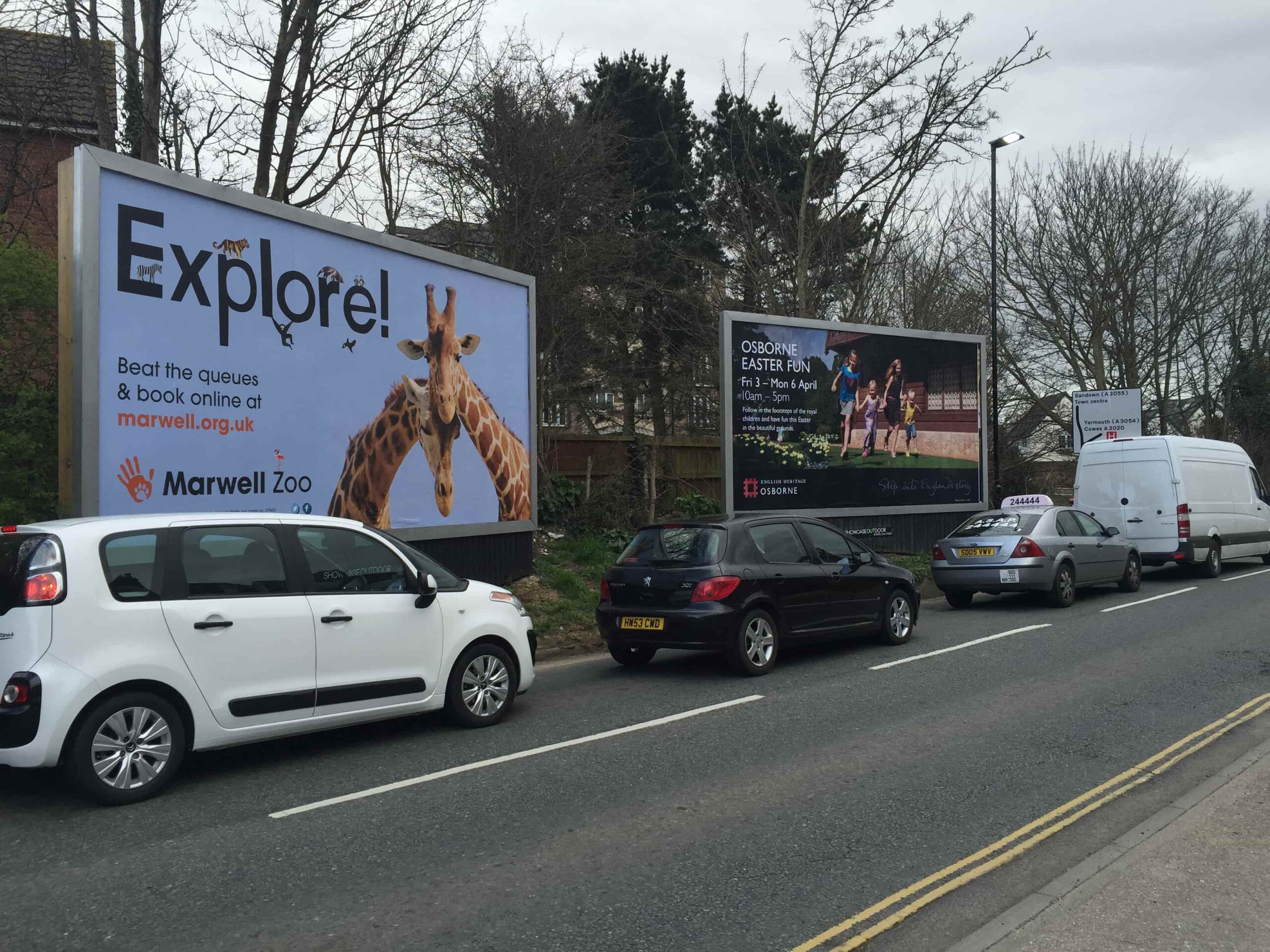
Billboards are large, outdoor advertising structures typically positioned alongside roads and junctions to maximise visibility. They come in various shapes and sizes, with the most common formats including static displays and digital billboards. Static billboards feature a single advertisement, while digital billboards allow for rotating messages, adding dynamism to your promotional content.
These advertising platforms are designed to capture the attention of pedestrians and motorists quickly. Their large surface area lets advertisers convey engaging visuals and concise messaging that can be easily understood in passing. Billboards are strategically placed in high-traffic areas to ensure that they are seen by as many people as possible, making them an effective medium for reaching diverse audiences.
While billboards have traditionally been associated with urban environments, they are also prevalent in suburban and rural areas. Advertisers can select locations based on their target demographics, ensuring that their messages reach the most relevant audiences for the events being promoted.
Why Should You Use Billboards to Advertise an Event?
Using billboards as part of your event marketing strategy has numerous advantages that can lead to increased awareness and attendance. Here are several compelling reasons to consider using billboards to advertise your upcoming event:
Saturation and Reach
Billboards can deliver messages to a vast audience. With thousands of vehicles passing by in high-traffic areas every day, advertising your event on a billboard ensures that it is seen by a wide range of potential attendees. Unlike some forms of advertising that may focus on specific online platforms or demographics, billboards allow you to target a broader audience in a localised area.
High Visibility
Billboards are hard to miss. Positioned prominently in public spaces, they attract the eye of anyone nearby, including drivers, cyclists, and pedestrians. Their large size and bright colours create an immediate visual impact, making them ideal for advertising events that require significant attention to thrive.
Simplified Messaging
With a limited amount of time to attract attention, billboards encourage marketers to create concise and clear messages. Understanding that a driver or passerby may only glance at the billboard for a few seconds, advertisers must communicate essential information effectively. This can lead to more creative and engaging campaigns that resonate with the audience.
Local Audience Engagement
Billboards can be strategically placed in areas close to the event venue, directly reaching the individuals who are most likely to attend. For example, if you’re hosting a local music festival, positioning your billboard near neighbourhoods, shopping areas, or local hangouts can entice community members to join in on the fun.
Round-the-Clock Exposure
Unlike many other advertisements that may have specific peak times or require audience engagement at the moment, billboards deliver 24/7 visibility. Regardless of whether it’s day or night, your event will remain on display, continuously exposing your promotional message to anyone who passes by.
Building Trust and Credibility
Billboards project a sense of permanence and legitimacy. Compared to ephemeral social media advertisements, the physical presence of a billboard can enhance the credibility of your event. Potential attendees may be more inclined to trust an event promotion presented through a billboard due to its larger-than-life nature.
Track Record of Success
Numerous businesses have successfully used billboards to advertise their events, leading to increased attendance and recognition. With a history of proven effectiveness, many marketers have found billboard advertising to be a valuable investment that delivers results.
How Much Do Billboards Roughly Cost?
The cost of billboard advertising can vary significantly based on several factors. Understanding these variables will help you budget effectively and choose the right billboard for your event promotion:
Location – Billboards positioned in high-traffic urban areas are generally more expensive than those in rural locations. Major cities with a high volume of daily commuters typically command higher rates due to the increased visibility potential.
Size and Format – The size of the billboard plays a major role in pricing. Standard billboard sizes are around 14 feet high by 48 feet wide, while larger options or digital billboards may incur higher costs. Digital billboards often allow for several rotating messages within a short timeframe, which may justify their higher rental price.
Duration of Advertising – Billboard rental agreements can be structured in various ways, including weekly, monthly, quarterly, or even longer-term rentals. Generally speaking, securing a billboard for a longer duration can result in reduced rates.
Production and Design Costs – In addition to the rental fees for the billboard space, there are costs associated with creating, printing, and installing the advertisement. These expenses can vary based on design complexity but typically range from a few hundred to several thousand pounds, depending on your project.
As a rough estimate, renting a standard billboard might cost anywhere from £500 to £1,000 monthly, depending on all the above factors. Organisations should also consider the cost of creative design and production when budgeting.
5 Key Statistics About Billboards in the UK
- High Brand Recall: Research indicates that approximately 72% of individuals can recall messages seen on billboards, demonstrating their effectiveness in communicating key event details.
- Wide Audience Reach: Billboards are projected to reach 90% of UK adults in major cities, showcasing their potential to engage large, diverse audiences.
- Consumer Engagement: Around 47% of people reported that they have visited a website or sought further information after seeing a billboard advertisement.
- Cost-Effective Impressions: Billboards often provide a lower cost-per-thousand impressions compared to digital advertising, making them a practical choice for budget-conscious marketers.
- Local Impact: According to recent studies, 56% of event-goers state that outdoor advertising played a crucial role in finding out about local events, further emphasising the importance of billboards in community outreach.
In Conclusion
Using billboards to advertise an event is a targeted strategy that combines high visibility, simple messaging, and extensive reach to effectively promote your occasion. With their ability to engage local audiences, deliver round-the-clock exposure, and build trust, billboards serve as a powerful tool in any event marketer’s arsenal. While costs can vary based on several factors, investing in billboard advertising can yield significant returns in terms of brand awareness and attendance. As you develop your event marketing strategy, consider how billboards can help you achieve your goals and enhance your event’s profile in the community.
Get in touch with us today so we can plan and execute your billboard advertising campaign – matt@seenoutdoor.co.uk / 01202 670687